How Macbeth Saved Shakespeare in the Gunpowder Plot Cassidy Cash
Alternate Timelines Weekly Update
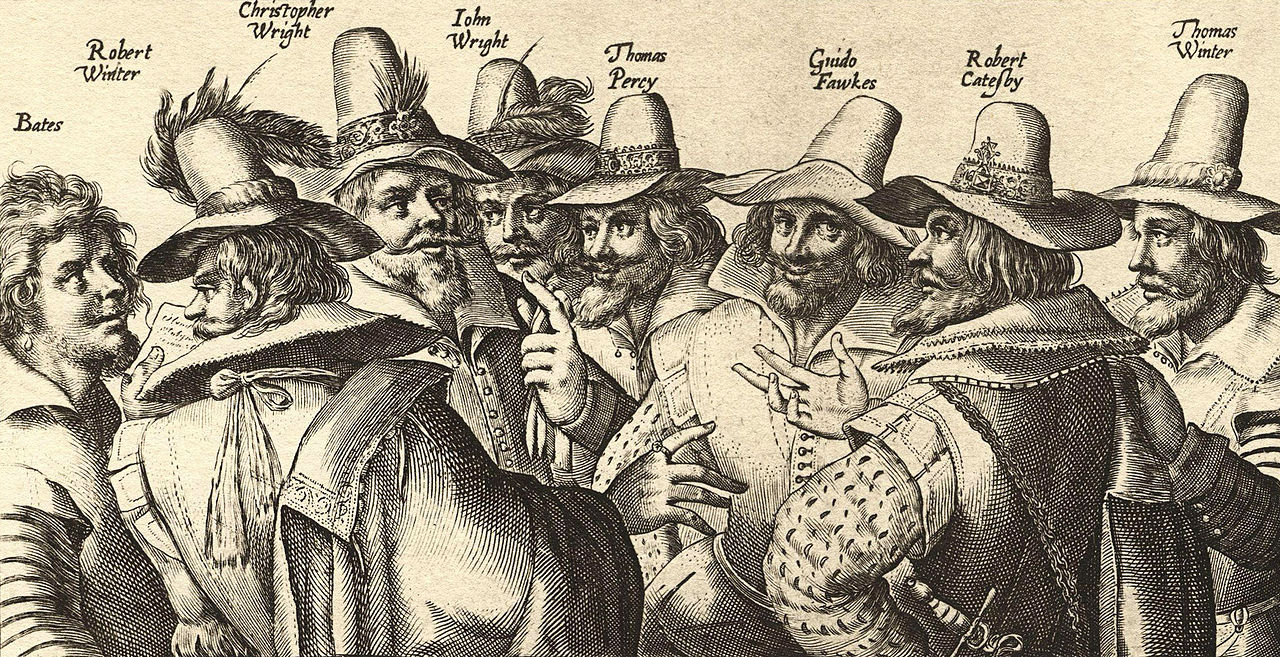
Gunpowder Plot - Treason, Conspirators, Plot: The plot was to cause an explosion on November 5, 1605, at the opening of Parliament, then take possession of the princess Elizabeth and the infant prince Charles. An anonymous letter delivered to Monteagle revealed the plot, preventing its execution. In the aftermath of the failed plot, laws against Roman Catholics were increased in severity.
HOME على تويتر "Macbeth on the other hand (or 'The Scottish Play' as it's referred to in the
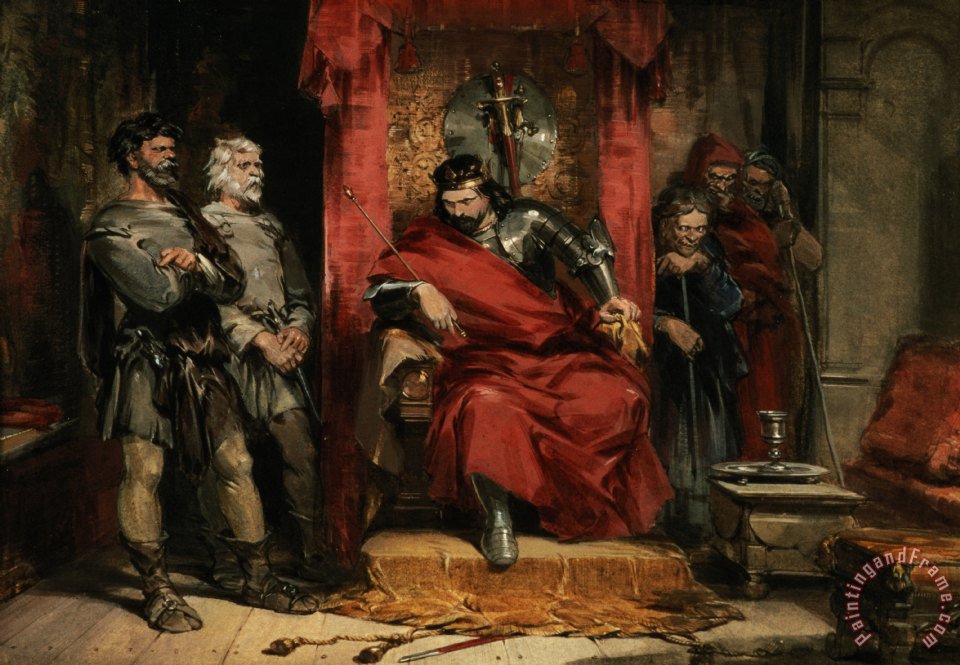
Macbeth - a tyrant and illegitimate king - is seen as creating division; Although James I was mostly popular, there were many plots to kill him; The most serious, and famous, of these plots was the Gunpowder Plot of 1605: These plots were acts of treason
The Gunpowder Plot Tes
Macbeth instructing the murderers employed to kill Banquo Painting by GeorgeCattermole, born 1800 - died 1868 Source. Remember, Remember, the 5th of November. Tonight many in England will celebrate an occasion known as Bonfire Night. They celebrate this day to mark the moment King James I was saved from the Gunpowder Plot (along with many in.
How Macbeth Saved Shakespeare in the Gunpowder Plot Cassidy Cash

And then there's the play… about conspirators… who commit regicide and usurp the Scottish throne. It was written for his company's new patron, James I. In 1606. The year after the gunpowder plot. He called it Macbeth. The links between the plot and the Scottish Play will be further discussed in Part 2, which you can find by clicking.
The Gunpowder Plot and Shakespeare's Macbeth Blogs & features Shakespeare's Globe

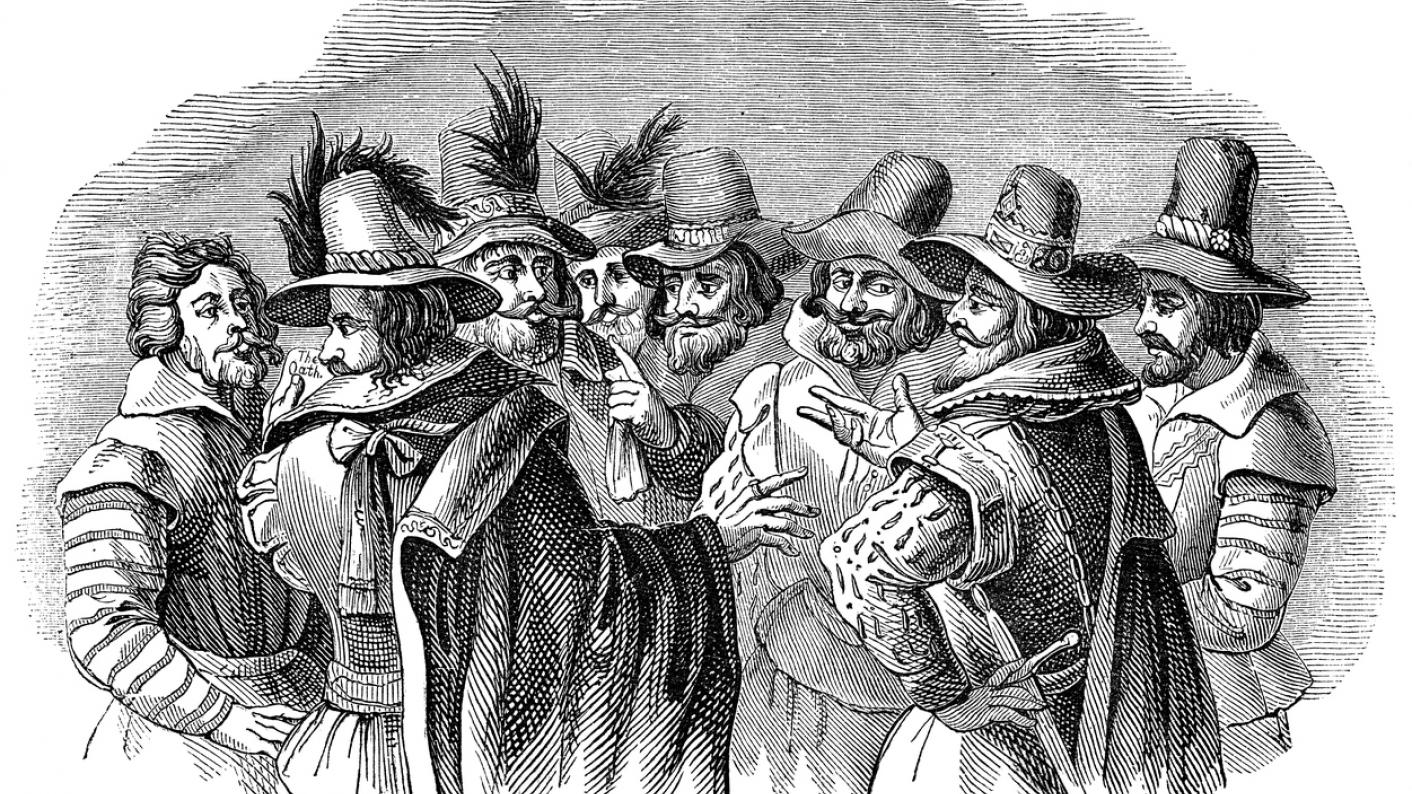
The Gunpowder Plot was a failed attempt by Guy Fawkes, Robert Catesby and others to blow up England's King James I and the British Parliament on November 5, 1605.
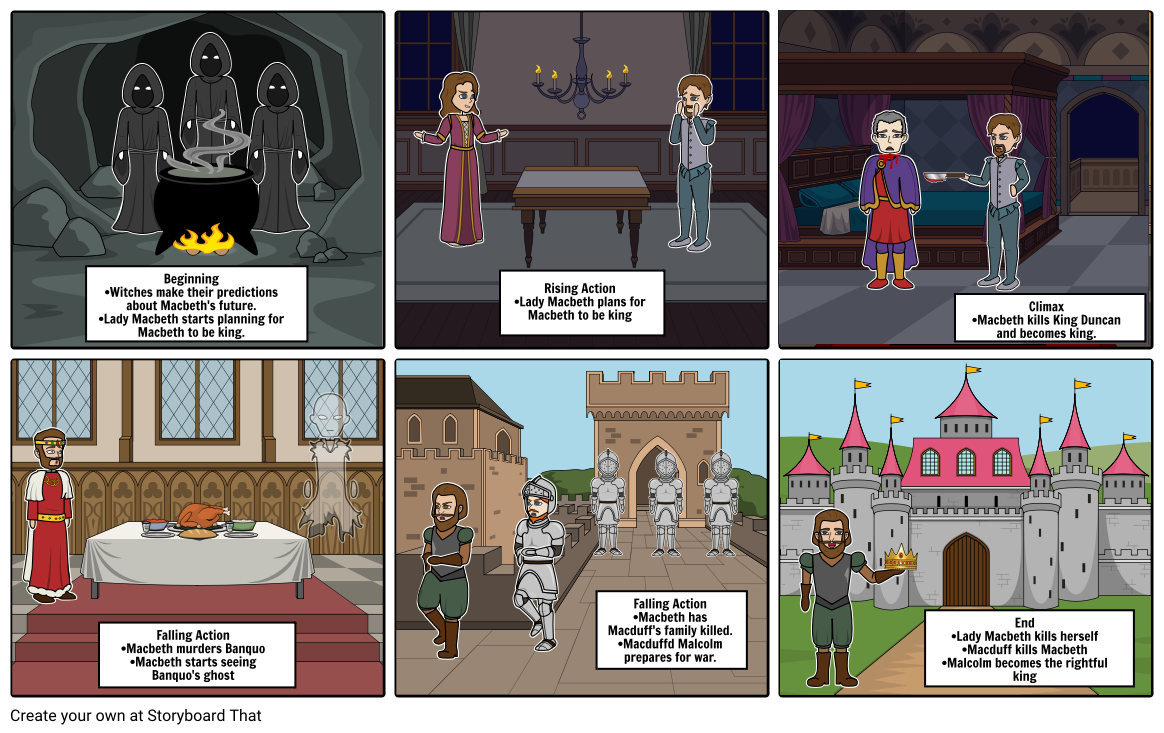
Macbeth's Plot Diagram Storyboard by aollis
33Setting the language of Islamic terrorism (such as the 9/11 Spiritual Manual) 69 alongside testimony from the Gunpowder Plotters and Shakespeare's Macbeth, we can clearly see a commonality of discourse. "Fear is a great form of worship" says the 9/11 Manual, "and the only one worthy of it is God".
WILLIAM SHAKESPEARE'S MACBETH & GUNPOWDER PLOT TGT PGT KVS NVS DSSSB & UGC NET BY Dr.Sachin

Macbeth a gunpowder and witchcraft play . Shakespeare's Macbeth was written in the aftermath of the foiled Gunpowder Plot to honour King James I, and was written to be performed at court before King James I. Macbeth is laced with compliments to the King. Naturally, Shakespeare makes reference to the King's Scottish ancestry, life, and known.
Shakespeare & the Gunpowder Plot Lesson

Rather, in the Folio Macbeth, Shakespeare uses the Gunpowder Plot as a ground for interrogating the fundamental myths of the Stuart dynasty, and his play emphasizes the overlaps between king and traitor, legitimate and illegitimate violence, terrorist, and victim of terrorism. However, the only evidence available for a contemporary performance.
How Macbeth Saved Shakespeare in the Gunpowder Plot Cassidy Cash

The 1605 Gunpowder Plot was a failed attempt by pro-Catholic conspirators to blow up the English Parliament on 5 November and kill King James I of England (r. 1603-1625) and the entire nobility along with him. The plot was discovered when one of the conspirators sent an anonymous letter warning a relative who would have been present in the parliament.
What was the gunpowder plot of 1605 and why did Guy Fawkes and Robert Catesby try to blow up

Gunpowder, treason and plot On 4 November 1605, Guy Fawkes was arrested. A letter tipping off a member of parliament had led to the discovery of a stash of barrels of gunpowder in a cellar under.
Macbeth Resource Pack PDF Macbeth Gunpowder Plot

Gunpowder Plot, the conspiracy of English Roman Catholics to blow up Parliament and King James I, his queen, and his eldest son on November 5, 1605.The leader of the plot, Robert Catesby, together with his four coconspirators— Thomas Winter, Thomas Percy, John Wright, and Guy Fawkes—were zealous Roman Catholics angered by James's refusal to grant more religious toleration to Catholics.
The Gunpowder Plot and Shakespeare's Macbeth Blogs & features Shakespeare's Globe

A small group of angry Catholics, fed up with ongoing persecution at the hands of the Protestant monarchy, hatched an elaborate plot to blow King James I and his government to smithereens. As luck would have it, a warning letter surfaced at the last minute and James ordered a search of his Palace. The most notorious conspirator, Guy Fawkes, was.
The Gunpowder Plot in an Hour reveals the elaborate background to the infamous plot to blow up

Macbeth and the Gunpowder Plot. It wasn't until recently that I discovered the link between Shakespeare's famous play and the event that nearly shook England's ruling class to its knees. The Gunpowder Plot was a carefully planned event with thirty-six barrels of gunpowder stashed under the House of Lords in order to blow King James and.
PPT The Gunpowder Plot PowerPoint Presentation, free download ID2135475
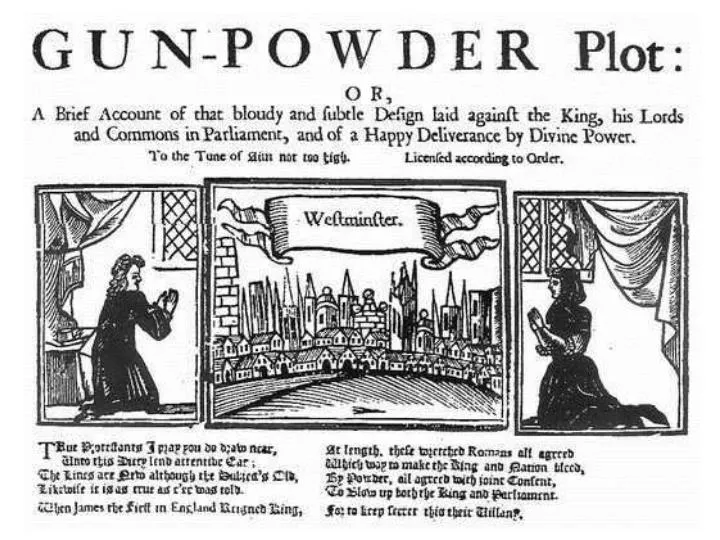
Macbeth's allusions to the sensational events of the Gunpowder Plot and its aftermath are typical of Shakespeare's often reserved way of referring to topical issues, but leave a fascinating insight into a contemporary dramatist's response to the momentous event. We touch on some of the connections associated between The Scottish Play and.
The Tragedy of Macbeth is a brooding masterpiece

A note on Henry Garnet and "Macbeth": Most scholars believe the porter scene in "Macbeth," which is often credited as the origin of the knock knock joke, makes reference to the case of Henry Garnet. Garnet was a Catholic priest accused of having had foreknowledge of the 1605 Gunpowder Plot which
The plot of Macbeth, visualized r/Infographics
How 'MacBeth' and Gunpowder Plot Are Related. Shakespeare's 'Scottish Play' was probably written in 1606, just three years after King James I (VI of Scotland) was crowned as Elizabeth I's successor, and so undoubtedly seems to be paying homage to the succession of the Scottish King to the English throne. But within that time, in.
.