Horses Quizzes & Trivia Questions Horsey Hooves
Horse Quiz Think You Know a lot about Horses? Quiz Orbit
Find a dowel that sticks out about half an inch (1.25 cm) on either side; this dowel is the appropriate width for your bit. [4] For most horses, start with a 4-5 inch (10-13cm) bit and switch as necessary. Usually, a smaller horse has a smaller mouth and will need a smaller bit, and the reverse for larger horses.
My Horse, My Horse » Charles Nodrum Gallery

Quiz: Can You Identify These Horse Bits? Modified: May 5, 2016 by ihearthorses · This post may contain affiliate links · Leave a Comment. There are more bits than there are breeds of horses. Some of them are easily recognized by anyone, regardless of what discipline you ride. Others are a bit trickier. See how well you know your bits by.
I don't have much else to add to this. My horse is a weirdo. ;) Horse riding quotes, Funny

Another important trait to consider when buying a bit is the length from ring to ring on the mouthpiece. The bit should extent about a quarter-inch beyond the horse's lips on both sides. The bit should lay comfortably across the bars, a toothless gap in the horses' jaw. Image Credit: zoosnow, Pixabay.
Horse Bits Explained All You Need To Know About Bits & Mouthpieces Horse FactBook
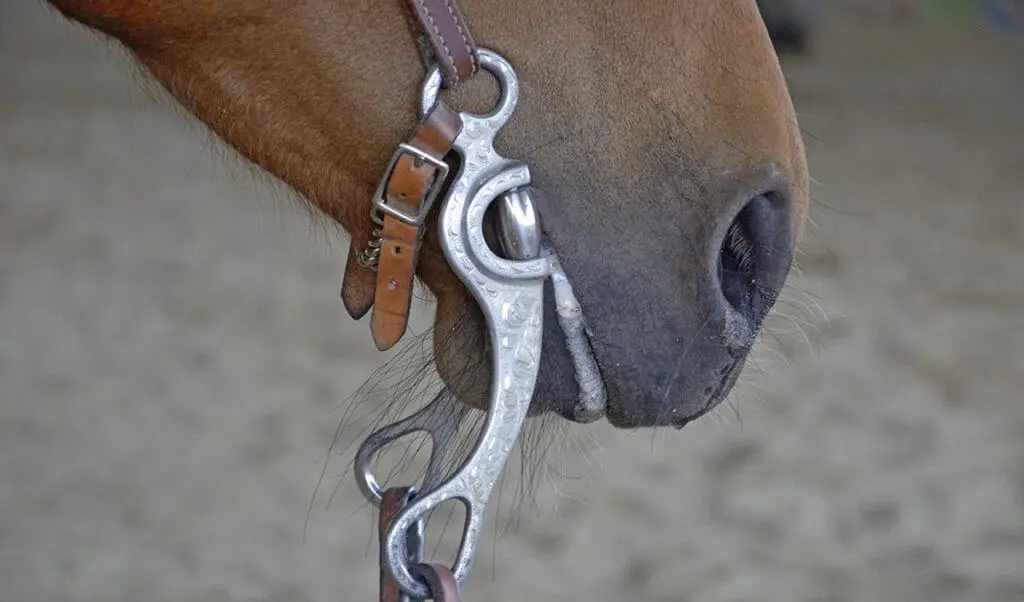
Horse bits have become very popular and just as necessary when dealing with horses. So, we want to know if you can recognize the different types that exist. Some horse bits, like the mullen mouth, are more comfortable for the animal, while others like the Doc Bristol are said to be severe. Some bits that encourage salivation are easy for the.
"Is my horse all right Funny horses riding" Poster for Sale by Yanyo Redbubble

Choosing a bit style to suit your horse is often viewed as a minefield. With so many options available, it is hard to know which bit will suit your horse. Whether you have a young horse in training, or you have just purchased a new horse that you are kitting out with a new saddlery wardrobe - you should always start off simple!
The Ultimate Horse Quiz Horse Trivia Questions

Depending upon the type of bit, you may need to add 1/4 or 1/2 inch to ensure the best fit. The other option involves putting a piece of string in your horse's mouth where the bit would sit. Mark each side, and remove and measure the length with a ruler. Amazon.com : BIT Sizer : Horse Bits : Sports & Outdoors.
11 Unexpected Uses For Denture Tablets
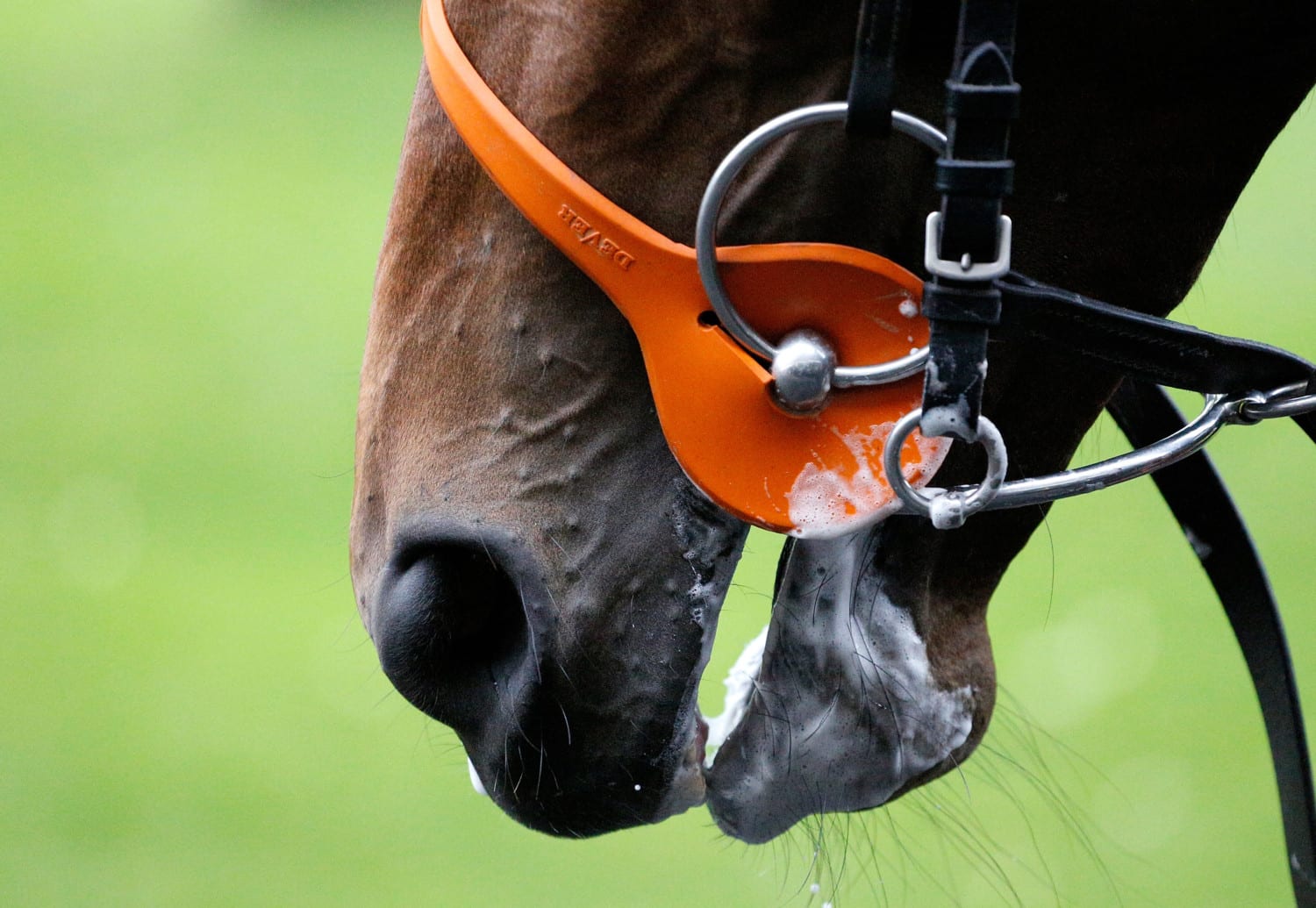
When choosing a bit for your horse, it's important to consider your horse's level of training, mouth shape, and sensitivity. Types of Horse Bits. There are two main categories of horse bits: snaffle bits and curb bits. Snaffle bits are the most commonly used type of bit and are suitable for horses of all levels of training.
10 Incredible Horse Facts AZ Animals

Next, mark with a pen where your thumbs touched the side of the horse's mouth. Measure between the two points on the string. The measurement will be the size bit you need. The bit on either side of the mouth should stick no further than 1/2 inch out of the horse's mouth. That would mean that the bit is too big.
38+ Horse Anatomy Quiz Questions and Answers Quiz Trivia Games

Don't buy bits too cheaply, because they are cheap for a reason. A good quality snaffle will cost between £55 and £75 - and it will last a lifetime if you look after it. 2. Understand what.
Quiz How Much Do You Know About Horses? Horses, Horse quizzes, Horse facts

Bit contact on the corners of the mouth direct the horse's attention and bending the horse's head to point it left or right. 2. Bars: Vertical Movement of the Horse's Head. Next we'll talk about the bars - the area between the horse's incisors and molars where the bit rests. There are no teeth in this area.
60 Horse Riding Quiz Questions and Answers Equine Trivia Facts Trivia Quiz

This bit maintains all the advantages of the anatomical shape of Super Flexi, but inside it has a metal core with less elasticity. Optimal flexibility and arrangement in the mouth make it a universal bit. Recommended for all horses without contact problems. Single jointed - gel mouthpiece with a non-invasive joint.
top of my horse Abby Sheehan Makeup

Thinner bits should encourage more of a reaction to contact. Thicker bits are often a good option for young or mouth sensitive horses as they can find the pressure of a thin bit to be sharp. If you're after a thick bit, the Shires Brass Alloy Training Bit (pictured right) could be a good option as it's 18mm wide.
My Horse YouTube

How to Use Bits Responsibly. Proper Fitting: Always ensure that the bit is the correct size and style for your horse. Skill Level: Match the complexity of the bit to both the horse's and the rider's skill levels. Regular Checks: Regularly check for signs of wear and tear, as a damaged bit can cause discomfort.
That's My Horse! YouTube

Many western bits are curb bits, but a beginner who might still inadvertently balance themselves with his or her hands can harshly jab his or her horse's mouth with these bits. A snaffle bit can be quite harsh if a rider is heavy-handed, but a curb bit with its leverage action will amplify any mistakes that much more.
Facts About My Horse YouTube

A bit's purpose is to provide a way of effectively communicating with your horse. Bits work in conjunction with a headstall and reins by applying pressure to different parts of the horse's head: the bars of the mouth, the tongue, the palate (roof of the mouth), the chin, the nose and the poll. Some bits work on several areas at once.
Horse Quiz Quiz

Horse bits rest inside the horse's mouth between a natural gap in the horse's teeth, called the "bar.". A rider moves the bit by moving the reins. Depending on the bit's design, rein movement will apply pressure to the horse's lower jaw, sides of the mouth, tongue, or roof of the mouth.
.